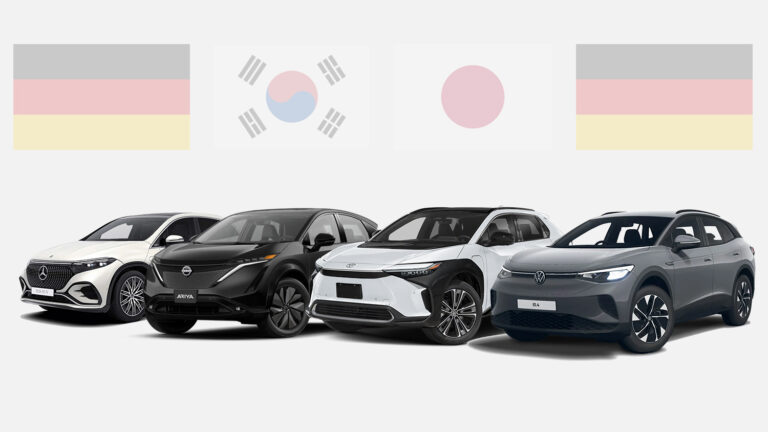
Cinq véhicules électriques à éviter selon Consumer Reports
22 August 2024
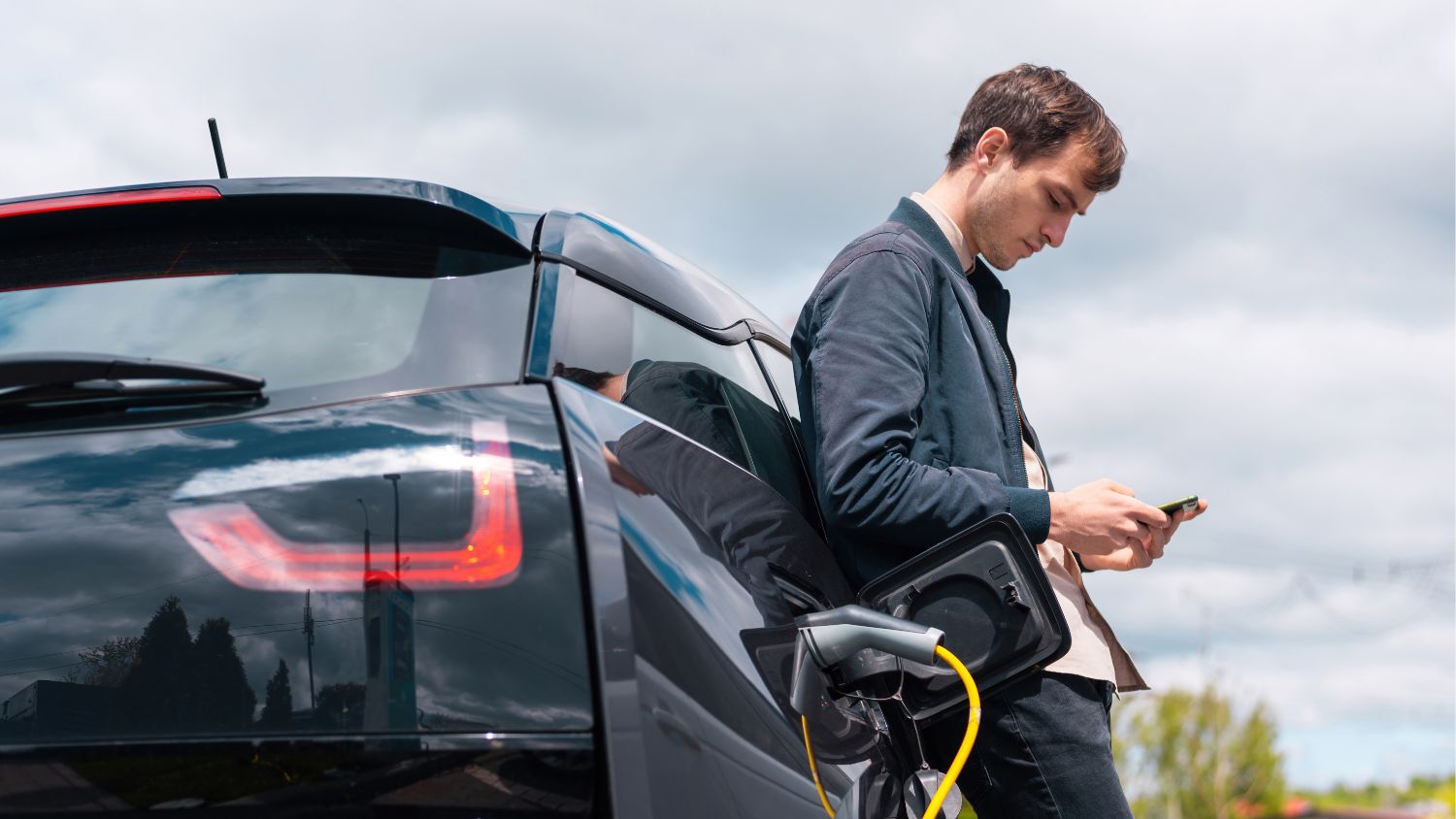
Electric vehicles are becoming increasingly common on the market, and consumers have a growing number of attractive options to choose from. However, not all models are created equal, and some are more suitable than others.
Consumer Reports magazine examined this issue to analyze the market and determine which models are good buys and which are less desirable.
The group identified five models to avoid, for a variety of reasons. However, for each of the models not recommended, an alternative is proposed.
Let’s take a look at them together.
1 — Nissan LEAF
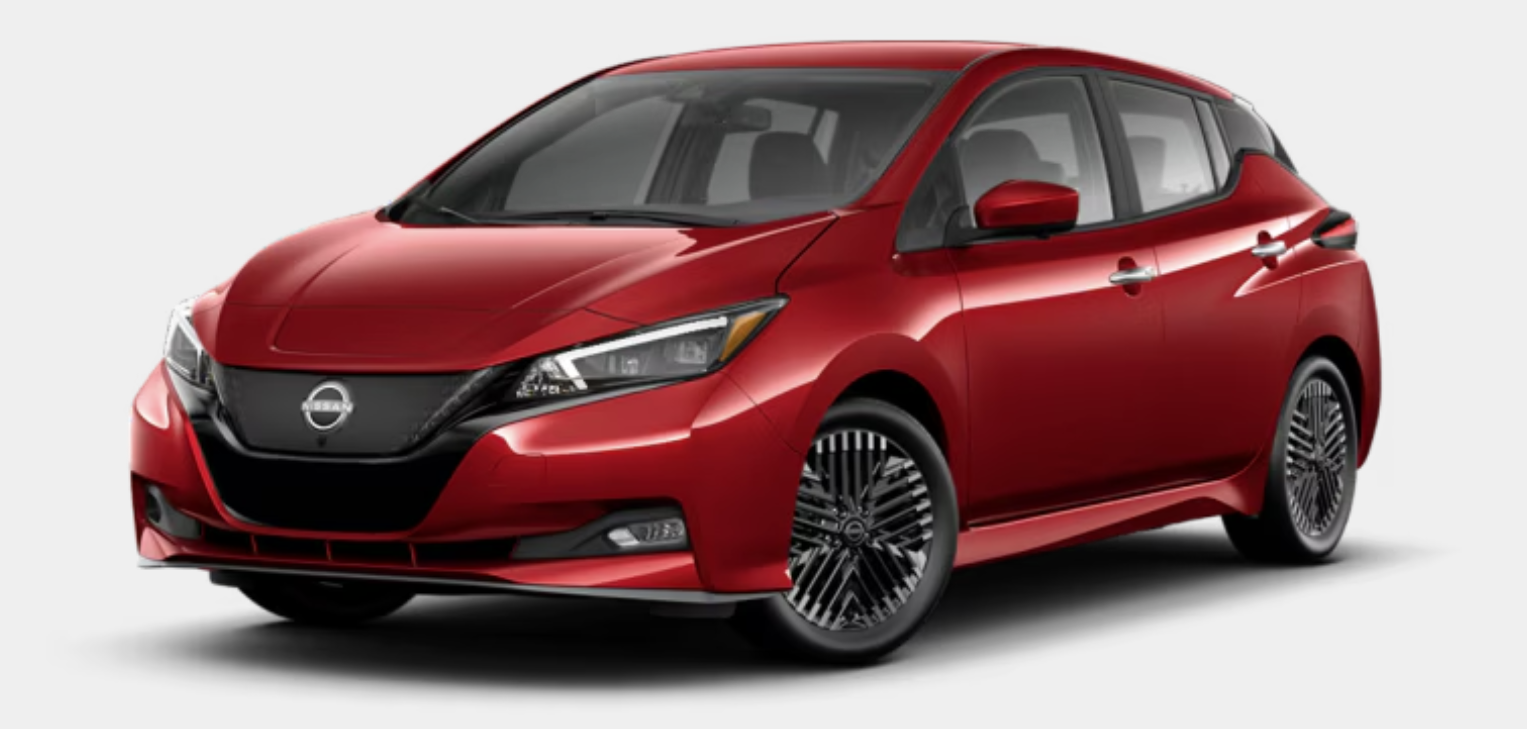
The Nissan LEAF was a pioneer among mass-market manufacturers when it arrived in 2011. When it was revamped in 2018, it also set new standards. However, six years later, it is more outdated. Its range is shorter, especially in the base configuration (150 miles), and fast DC charging is done through an obsolete connection that is not compatible with most public charging stations.
Consumer Reports is harsh on the model’s driving performance, but frankly, it’s not that bad. The problem with the LEAF is that it now has competitors that it didn’t have six years ago.
Instead of this model, Consumer Reports recommends a Hyundai Ioniq 6 or a Kia Niro EV.
2 — Polestar 2 2024
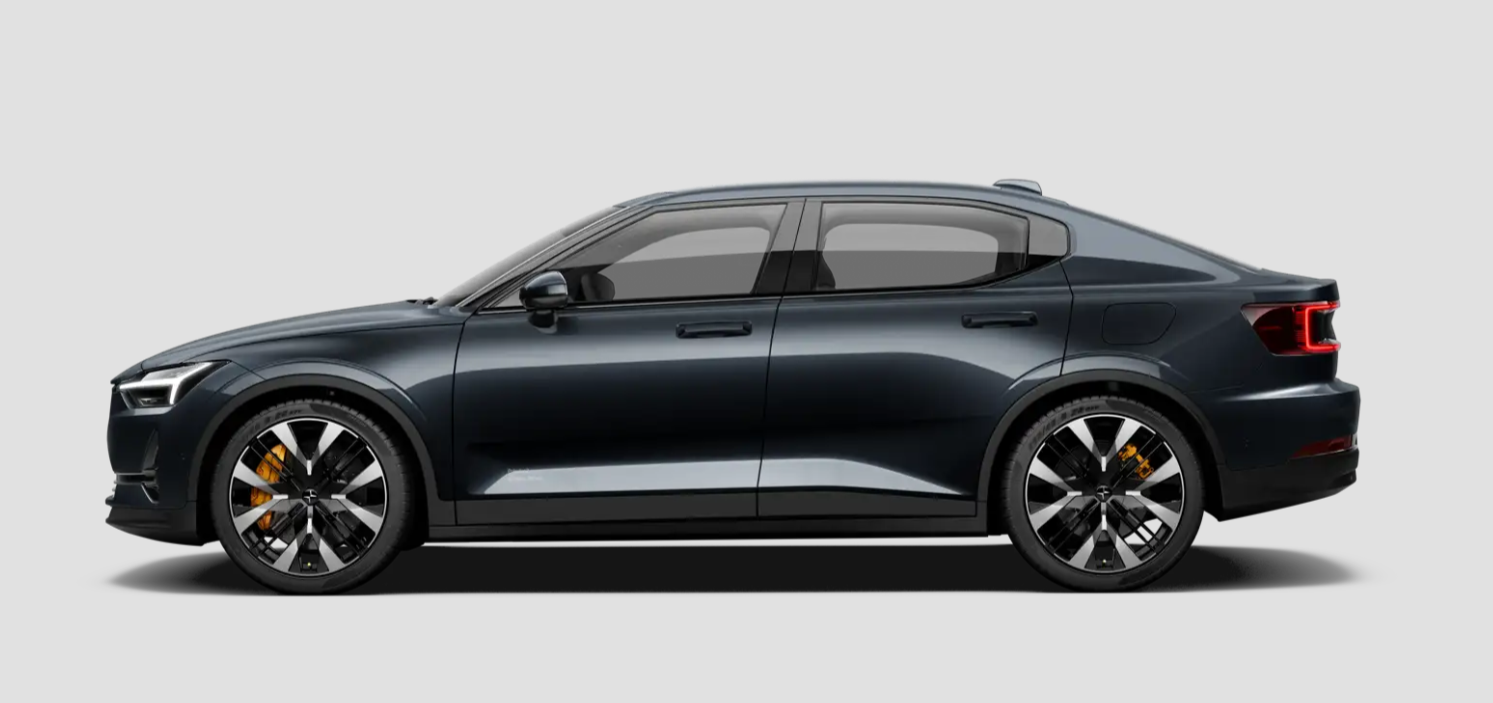
The second vehicle on Consumer Reports’ list of non-recommended electric models is the second model launched by Volvo’s all-electric brand, Polestar. This product is based on Volvo’s XC40 SUV.
According to the magazine, the Polestar 2 is a high-performance vehicle and is relatively agile, but its handling is very stiff and bouncy. The interior design is plain and dull, and the optimal driving position is difficult to find and not guaranteed for everyone. The rear seats are too cramped. Worse still, the Google-based multimedia system is a source of distraction rather than a helpful tool, according to Consumer Reports. Finally, the group points out that this vehicle’s reliability is below average.
In short, for all these reasons, the Polestar 2 finds itself on the list of electric vehicles to avoid.
As an alternative, BMW advises buyers to take a look at the BMW i4, or the Porsche Taycan, for those who can afford it, of course.
3 — Volkswagen ID. 4
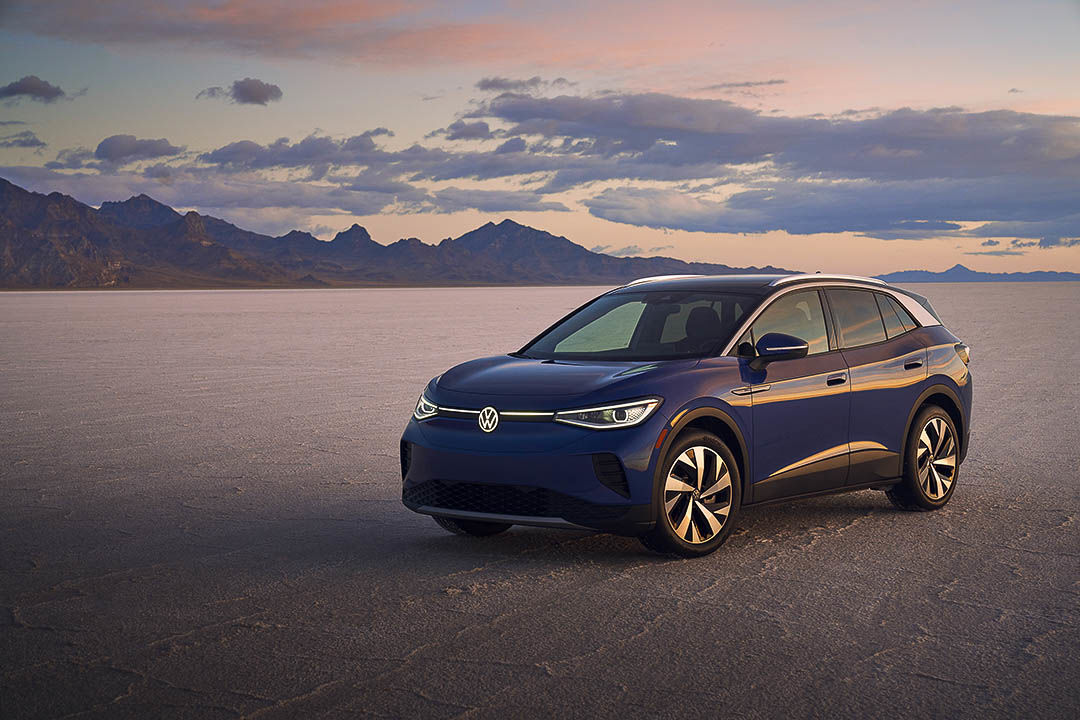
In the two-row SUV category, the Volkswagen ID.4 failed to impress Consumer Reports reviewers. They acknowledge that this model is powerful, quiet, and spacious, but note that its multimedia system is slow to respond. In addition, when it comes to performing multiple tasks, several steps are often required. Its range is also considered modest, but on this point, the real answer and judgment are up to buyers. On the other hand, reliability and owner satisfaction are factors that fall below average.
The good news is that there are alternatives in this vehicle category. Consumer Reports suggests two: the Kia EV6 and Tesla Model Y.
4 — Rivian R1S
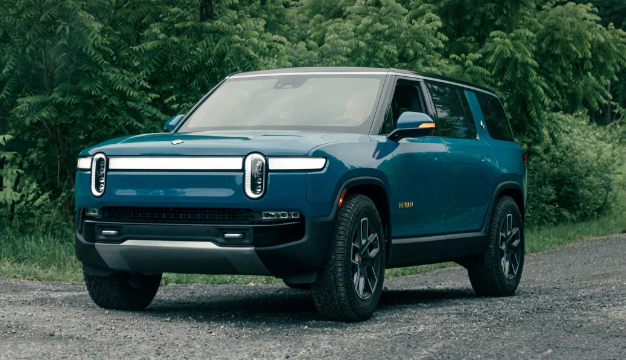
When it comes to three-row SUVs, the magazine singles out the Rivian R1S. Its experts don’t criticize its performance, but rather a host of other irritants. At high speeds, for example, the vehicle’s handling is nervous and less reassuring. Worse, its suspension is too stiff, while the electric motors make a noticeable whining noise at low speeds, which is disappointing for a high-priced luxury model. The regenerative braking is also considered too powerful, making driving difficult.
Consumer Reports also notes that, although the interior design is sleek, the controls are extremely awkward, as almost all tasks, including adjusting the air vents, are performed from the touchscreen. Finally, reliability is below average.
In short, there is still work to be done, and this unfortunately ranks it among the five electric vehicles to avoid.
As for a more interesting model in this category, the group recommends another model: the Kia EV9, a model that has received unanimous praise.
5 — Mercedes-Benz EQE VUS 2024
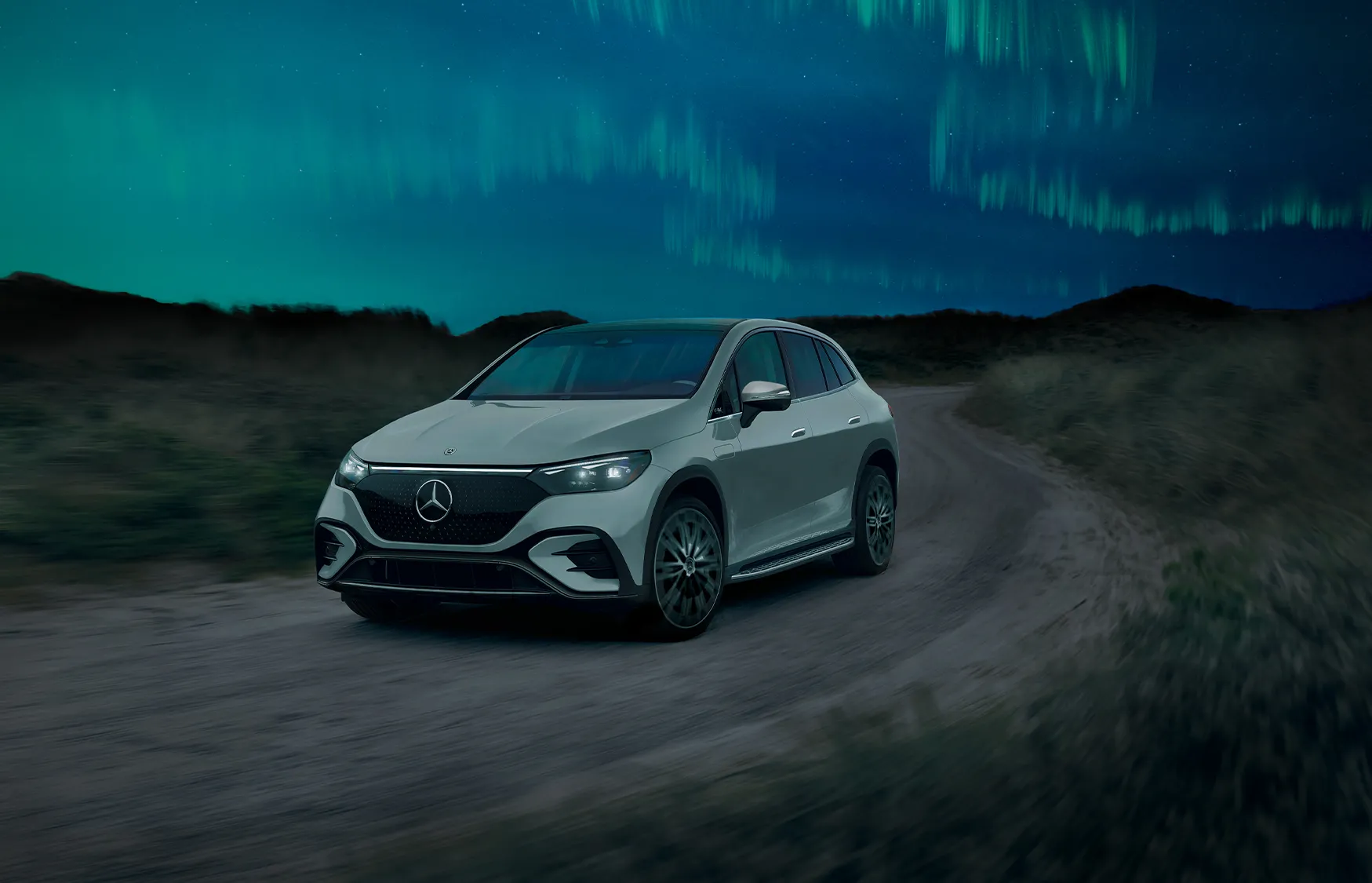
The Mercedes-Benz EQE SUV was unveiled last year and has been on the roads for several months now. This model is packed with quality features, including a smooth ride, high-quality construction, and a great-sounding audio system.
However, it has some significant flaws, flaws that have landed it on Consumer Reports’ unenviable list of electric vehicles to avoid.
Among other things, the magazine criticizes the relatively low charging power of 9.6 kW. This means that residential charging is slower than for other electric vehicles.
Behind the wheel, the comfort and handling are noticeable, but the controls are distracting and the braking is laborious, with brakes that respond sluggishly. The Mercedes-Benz brand’s below-average reliability also hurts its overall rating. Not to mention that Consumer Reports doesn’t mention its weight, which is so imposing that it spoils the driving experience!
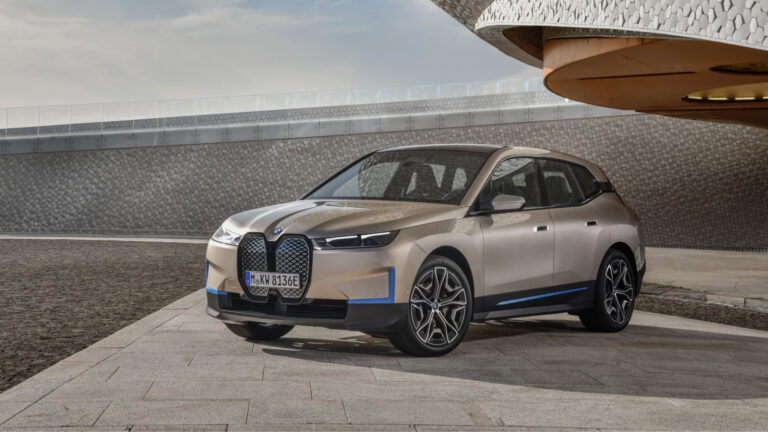
For a more effective solution, Consumer Reports recommends the BMW iX and the Audi Q4. We have some reservations about the latter model, as we have often heard owners express disappointment with it.
A LIST THAT GIVES YOU FOOD FOR THOUGHT
Nevertheless, Consumer Reports’ rankings give us pause for thought and spark some discussion.
We often present you with the best options, but we thought that this time it would be interesting to show you the other side of the coin: electric vehicles to avoid. We would also like to remind you that this ranking is based on tests and analyses conducted by the renowned Consumer Reports magazine.
Although enthusiasm for electric vehicles continues to grow, it is always wise to consider expert opinions before making a choice. The Consumer Reports report highlights some of the shortcomings of the models presented, while offering alternatives that are better suited to consumer needs. By keeping these recommendations in mind, you can make an informed choice and take full advantage of the benefits that an electric vehicle has to offer. After all, a thoughtful purchase is an investment in a greener and more sustainable future.