Charging stations for corporate fleets: challenges, benefits, and best practices
28 January 2026
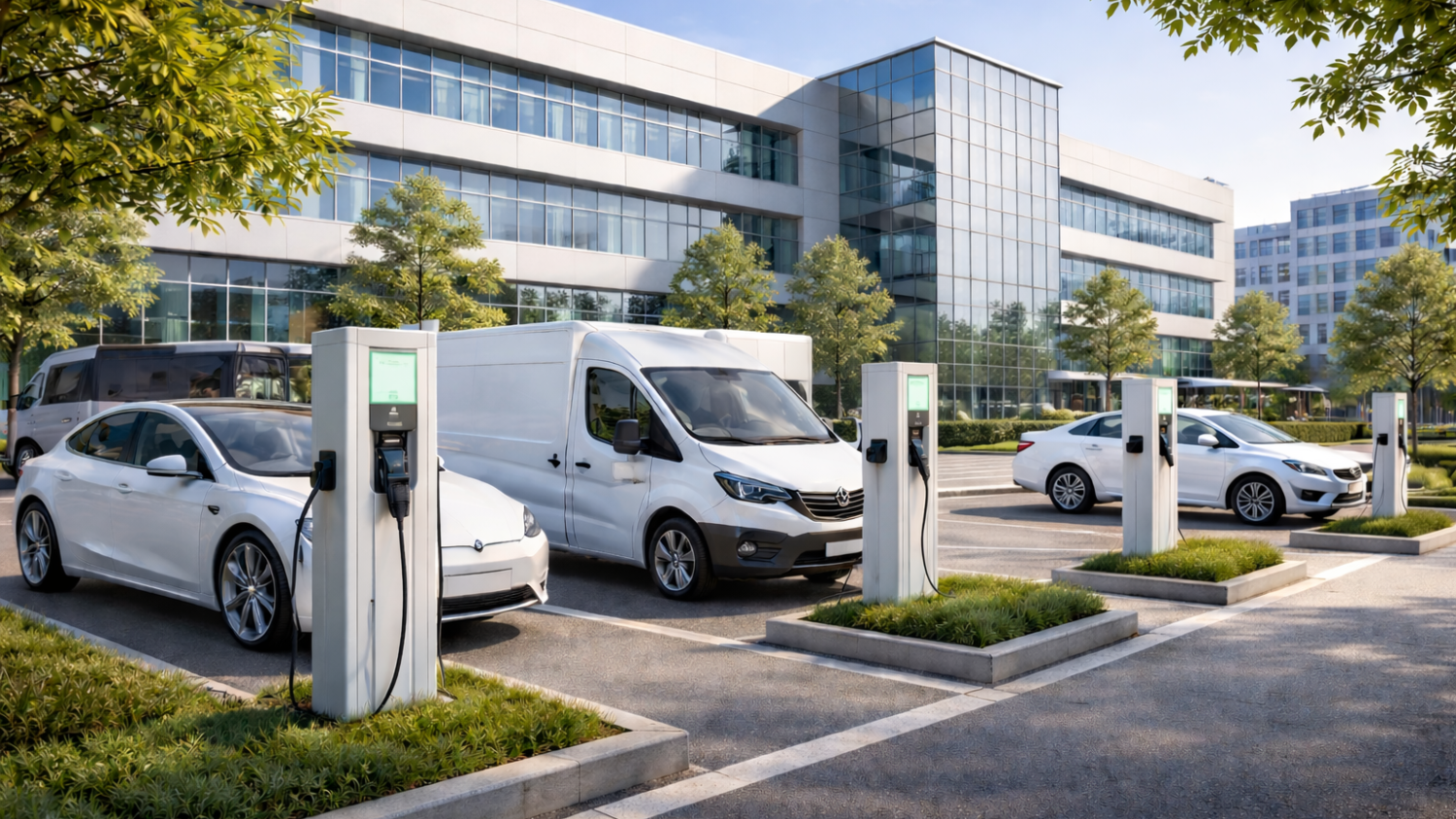
The electrification of corporate fleets is no longer a vision of the future: it is a reality that will be well underway by 2026. From small SMEs to large transport companies, more and more organizations are switching to electric vehicles to reduce their operating costs and carbon footprint. And electric vehicles mean charging stations. The need for charging stations for corporate fleets is therefore growing.
The installation of charging stations is at the heart of the project. It is a strategic step, at the crossroads of logistics, performance, and sustainability. Here is an overview of the main challenges, benefits, and best practices for companies ready to take the plunge and install charging stations for their corporate fleets.
The challenges of fleet electrification
Switching to electric mobility requires careful planning. Every company has its own realities: number of vehicles, available space, electrical constraints, and operating hours.
a) Adapting the electrical infrastructure
Adding multiple charging stations often requires an analysis of electrical capacity and sometimes an upgrade of the panel or transformer. Without this step, the internal network can be overloaded.
b) Manage the charging of multiple vehicles
Not all charging stations can operate at full power at the same time. A dynamic management system is therefore required to intelligently distribute the load between vehicles according to charging priorities.
c) Plan for future expansion
An installation designed for five vehicles today may need to power fifteen in two years. Long-term planning avoids costly modification work.
d) Adapt to operating schedules
Some companies need to charge their vehicles at night, others during the day. This influences the choice of charging station type, management software, and pricing.
Long-term benefits for businesses
Despite these challenges, the economic and strategic benefits of installing charging stations for corporate fleets are considerable.
Significant operating savings
Electric vehicles cost up to 70% less to charge than to refuel with gasoline or diesel. In addition, they require less maintenance (no oil, filter, or belt changes).
Smart charging stations also allow charging to be scheduled during off-peak periods to take advantage of lower electricity rates.
Enhanced brand image
Customers, investors, and employees are increasingly sensitive to eco-friendly practices. An electric fleet demonstrates a clear commitment to energy transition and reinforces the company’s credibility.
Compliance with ESG objectives
Environmental, social, and governance (ESG) criteria are becoming the standard in modern management. Electrification contributes directly to reducing greenhouse gas (GHG) emissions and improving carbon footprints.
Attractive subsidies
In 2026, significant financial assistance are offered by Quebec and the federal government:
- Up to $5,000 per charging station through Roulez vert-Branché au travail for businesses;
- Up to 50% of the cost of a project through the Zero-Emission Vehicle Infrastructure Program (PIVÉZ).
These programs significantly reduce the cost of entry and accelerate the project’s return on investment.
Best practices for a successful installation
To get the most out of charging stations, certain steps are essential.
1) Assess actual needs
The following must be analyzed:
- The number of vehicles to be charged;
- The average distance traveled per day;
- Work cycles (day/night);
- The type of parking space available.
This assessment will help you determine the power required and the type of stations (level 2 or 3).
2) Choose smart charging stations
Connected charging stations allow you to:
- Monitor charging remotely;
- Prioritize certain vehicles based on their usage;
- Track consumption and costs in real time.
They also facilitate fleet management and internal billing.
3) Plan for future growth
A modular and scalable installation is essential. It is best to plan for conduits, wiring, and electrical capacity to accommodate additional stations in the medium term.
4) Use a certified installer
Every project must comply with the Canadian Electrical Code and local standards. A non-compliant installation can pose electrical hazards and compromise access to subsidies.
At BEQ Technology, we ensure that each charging station is installed safely, in compliance with regulations, and tailored to the specific needs of the business.
How BEQ Technology supports businesses
BEQ Technology offers a turnkey service designed specifically for corporate fleets:
- Energy analysis and project planning;
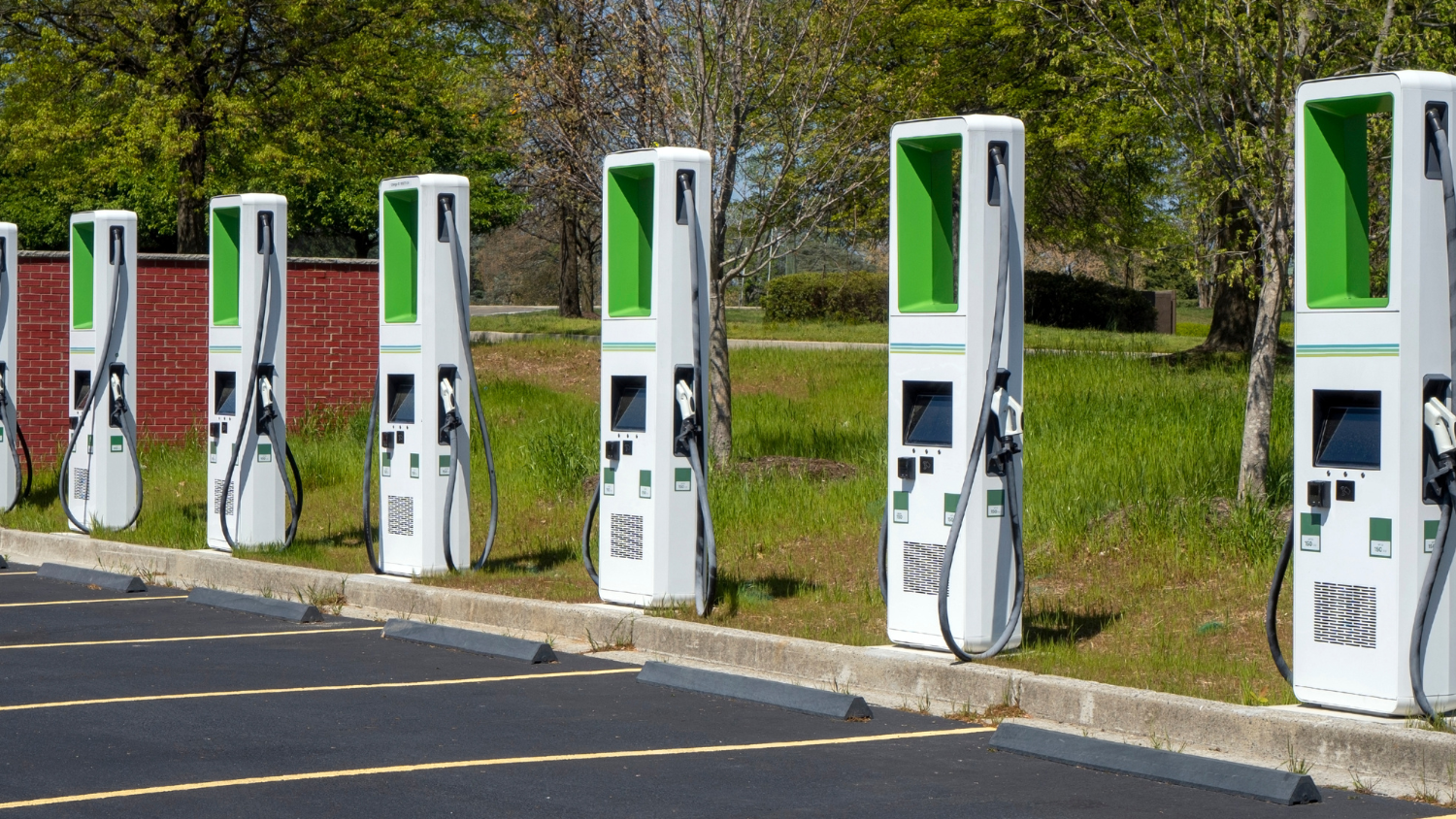
- Selection of suitable charging stations (residential, commercial, or fast);
- Installation by certified electricians;
- Commissioning and smart configuration;
- Ongoing technical support and remote management.
Our experts also advise companies on their grant applications to maximize savings and make the project more profitable more quickly.
A successful electric transition
Electrifying corporate fleets is much more than just a technological shift: it’s a strategic investment that reduces costs, strengthens brand image, and prepares for the future.
With careful planning and support from experts like those at BEQ Technology, your company can transition to electric charging with confidence—efficiently, sustainably, and cost-effectively.
Contact BEQ Technology today to plan your fleet electrification project and discover the best charging solutions for your needs.